We've spent two posts on an observation: a lot of businesses jump to AI coding tools with a problem statement that hasn't really been tested, and the speed those tools offer comes paired with real downsides if that first step gets skipped. So here's what we actually do about it.
Our mandate is to demystify what AI tools can and can't promise, and help you decide, honestly, whether building is the right move at all. That covers three questions:
Is there a real need? Sometimes the answer is no: a process fix or an off-the-shelf tool solves it faster and cheaper. We'll tell you that, even though it means less work for us.
Is it worth the investment? Building software is a resource commitment: time, budget, ongoing responsibility once it's live. We'd rather have that conversation up front than after money's been spent.
What should actually be built, and how? This is where we scope what "yes" means, including how AI-assisted development fits in. It often does: this includes building AI-powered functionality directly, as a standard part of our software development catalog, whenever it's genuinely the right fit for the problem.
We're not against AI tools. We build with them, and we build AI-powered products with them. The difference is that we use them after the thinking has happened, not instead of it.
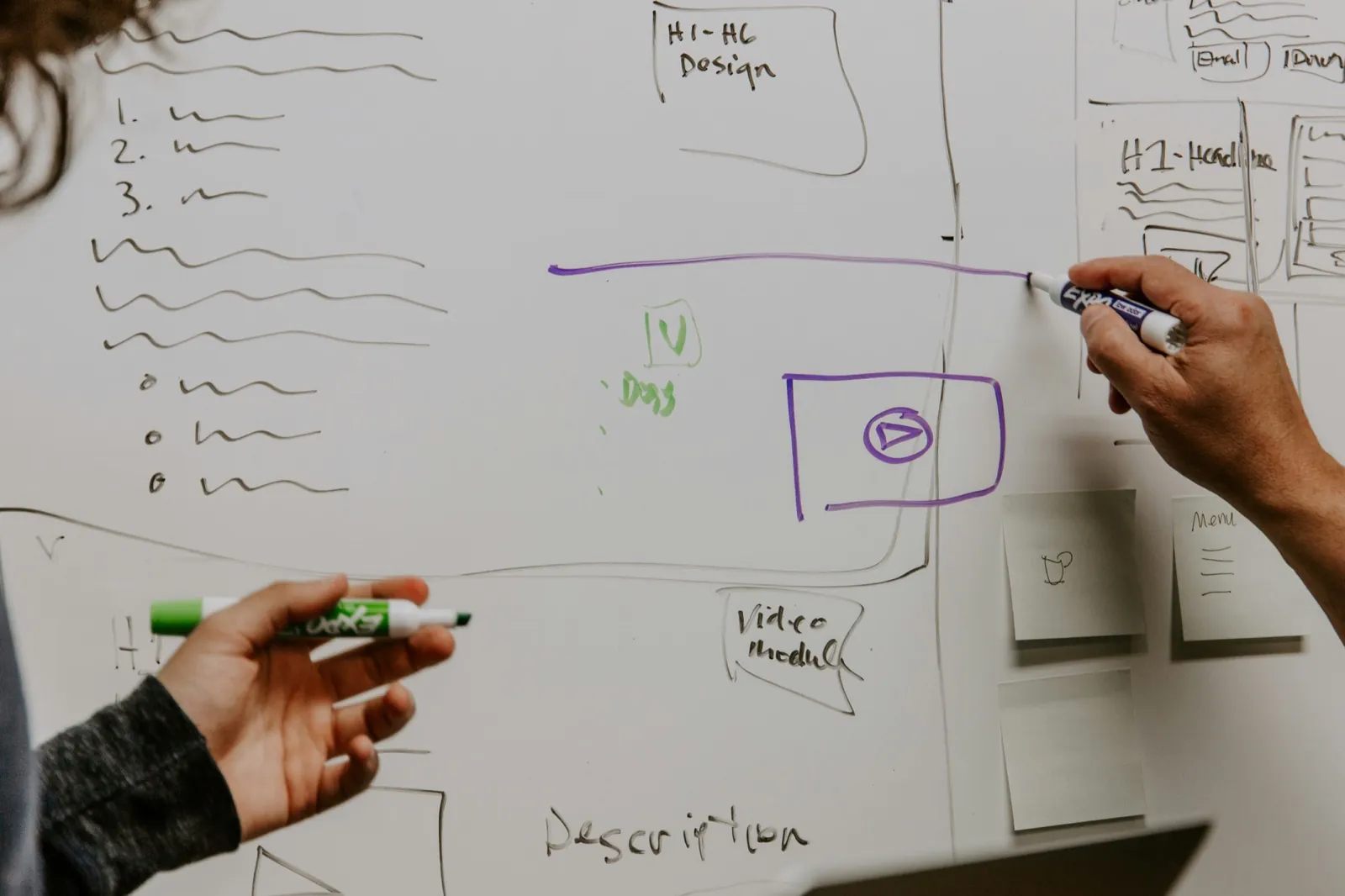
This is how our Software Development service is structured: four stages, each a checkpoint. Planning: the diagnostic conversation above, made concrete. Design: how the thing will actually work, before a line of code exists. Development: building it, often with AI assistance where it genuinely speeds things up, always with someone accountable. Support: because a product isn't finished at launch.
Design is worth pausing on: it's the stage that decides whether software feels usable to the people who actually use it, and the stage that gets skipped most when speed is the only priority.
Three shapes this takes, in practice:
A clinic gets a booking system built with a short design phase: someone thought through how a stressed, unfamiliar patient would move through it. Error states are clear. Confirmations actually confirm. Staff say patients rarely need help.
A gym gets a sign-up flow built fast, clean in a demo. In real use, "confirm payment" sits one tap from "cancel membership" on mobile, with no confirmation step between, a default nobody checked. Support tickets pile up from accidental cancellations.
A financial services app ships with a form that silently fails to save certain fields under real-world conditions nobody tested for. Customers believe they've updated their information; the system believes something different. The mismatch surfaces weeks later, during a dispute, and by then it isn't a UI bug, it's a trust problem.
A product built on impulse can look identical, for a while, to one built with process behind it. The difference shows up later. That's the gap we exist to close.
Curious whether your idea needs a full build, a smaller fix, or something else entirely?
Start a consultation